Fibremaxxing: the 3 best hacks to boost daily fibre intake
Let’s talk fibre. It's an often neglected part of our diet which has finally been gaining attention recently. In this guide, we want to explain what it’s all about, how to meet your daily requirements, and which products are essential in your pantry. It includes handy tables listing fibre-rich foods for your next KoRo order!
In recent years, we’ve all become real protein experts: every bar has been meticulously checked for its protein content, and no shake has been complete without the right powder. But after focusing so much on protein, we also took a look around other important nutrients. That’s why this year’s food trend is called ‘Fibermaxxing’. We’ll show you how to keep an eye on your fibre intake without turning your whole life (or your diet) upside down.
What even is dietary fibre?
Put simply: fibre is indigestible plant dietary fibre, also known simply as fibre. As your small intestine cannot break it down (or can only do so partially), it passes almost unchanged into your large intestine. In their natural form, these fibres are found almost exclusively in plant-based foods and mostly belong to the carbohydrate family. A rough distinction is made between two types:
- Soluble fibre: This is found mainly in fruit and vegetables. When combined with water, it swells and forms a gel-like substance.
- Insoluble fibre: This is found mainly in cereal products. Due to their coarser structure, they need to be chewed for longer and do not dissolve in water.
The goal: 30 grams of fibre per day
The German Nutrition Society’s (DGE) rule of thumb is: around 30g of fibre per day for adults. That sounds like a small amount, but many of us barely manage a fraction of that in our stressful daily lives. We want to change that! Because fibre-rich eating doesn’t have to be complicated.
Level up: how to add fibre to your meals
Whether you’re looking for the easiest way out, are a die-hard foodie through and through, or simply can’t go without snacks under any circumstances – we’ve got the perfect strategy for you.
Hack #1: Fibre sprinkles
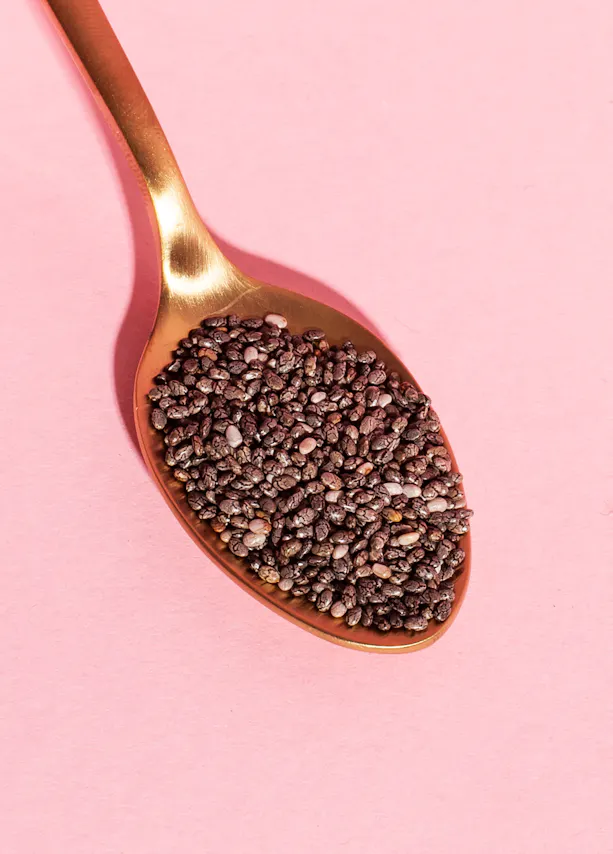
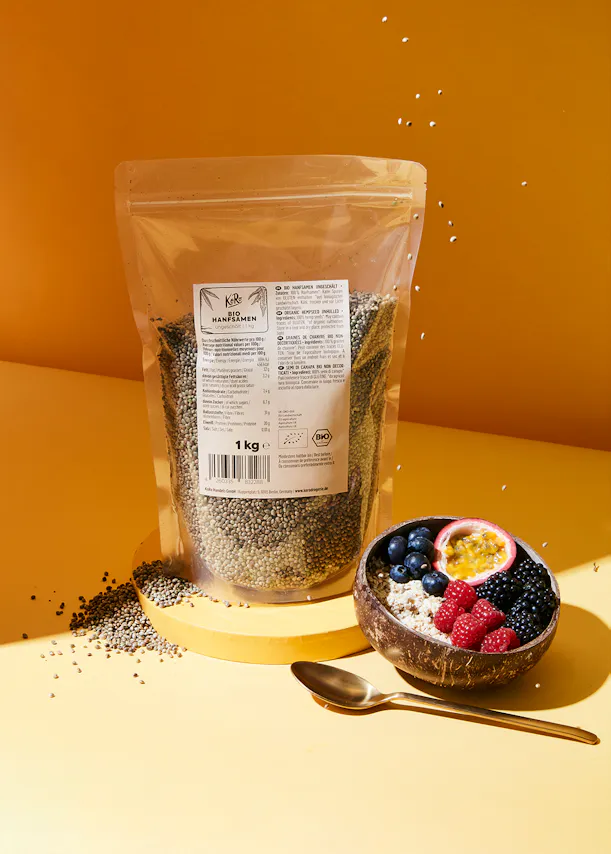
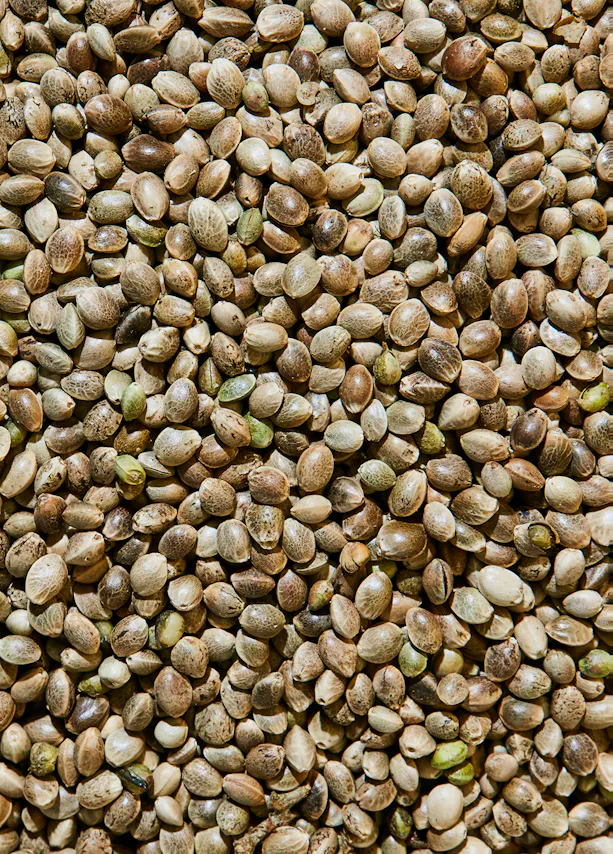
Don’t we all deserve a bit more sprinkles in our daily lives? The ‘sprinkles system’ is simple: the idea is to use fibre-rich toppings on top of whatever you would normally eat anyway. A spoonful of hemp seeds over a salad adds extra fibre, a pinch of chia seeds in your yoghurt, or a teaspoon of psyllium husks (by the way, the KoRo product with the highest fibre content!) in your smoothie – this way, you’ll easily get closer to your fibre target.
And because we love coloured sprinkles, how about creating your own signature mix? Simply mix your favourite seeds and nuts together in advance.
KoRo product | Fibre (per 100g) | How to use |
90g | The ultimate fibre upgrade for smoothies, bowls or porridge. | |
33g | A classic topping for yoghurt. Also a good way to add more fibre for your overnight oats! | |
27g | Bring a nutty note to salads and soups. | |
27g | Classic chocolaty cocoa flavour for bowls or pancakes. | |
22g | Spiced "cheese-style" flavour for pastas or casseroles. |
Hack #2: Upgrading the basics
Another big way to add fibre to your diet is to use it as the star of your meals, without anyone noticing. Quietly and discreetly, it’s can enhance the base of your favourite dishes without spoiling the enjoyment.
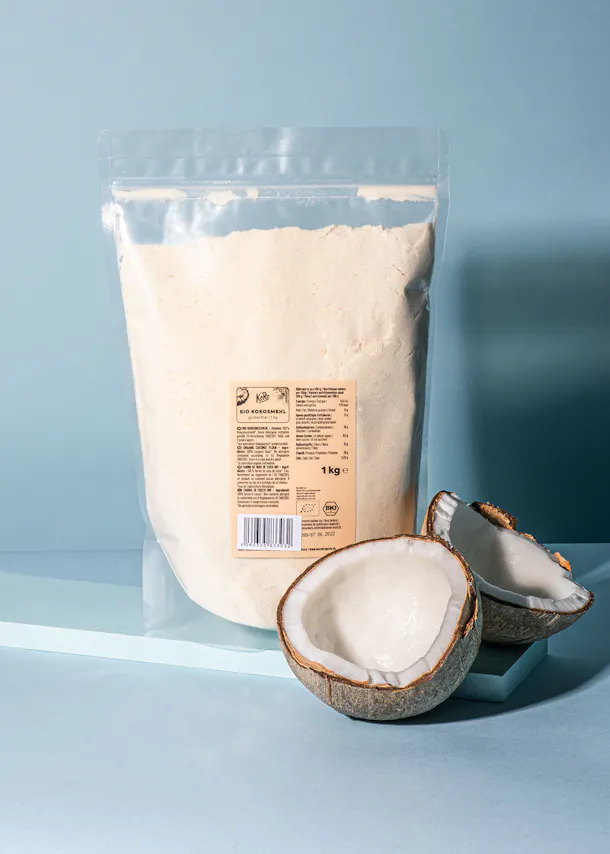
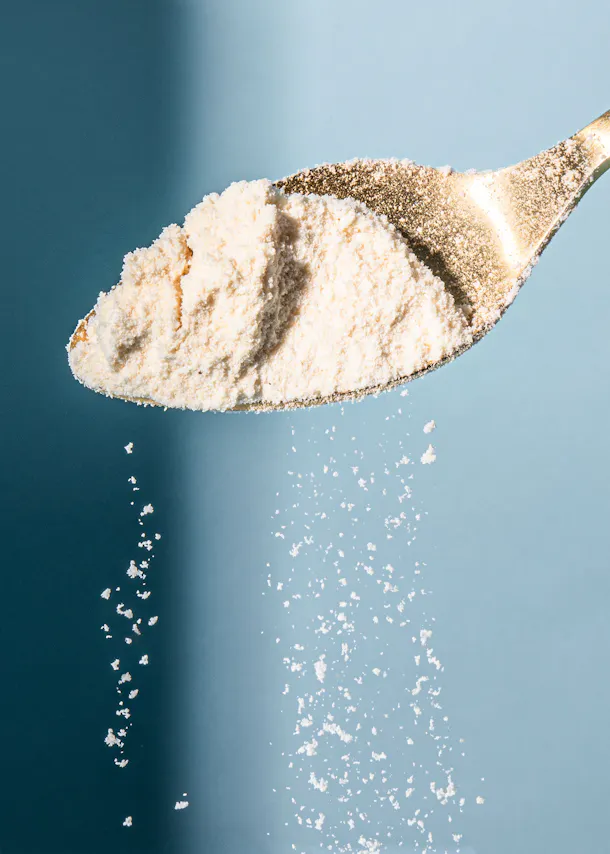
A simple trick: instead of relying solely on conventional wheat flour, replace some of it with functional alternatives. Why not try our organic coconut flour or partially de-oiled organic hemp protein on your next baking adventure? If you want to go all-in: ground flaxseeds aren’t just rich in fibre, but (mixed with a little water) also make a brilliant plant-based egg substitute. That way, you’re optimising your recipes twice over!
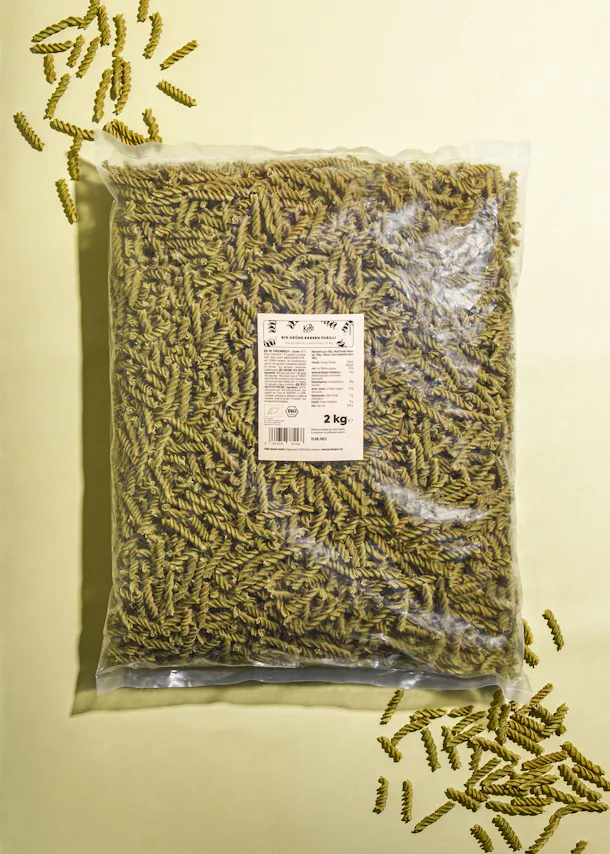
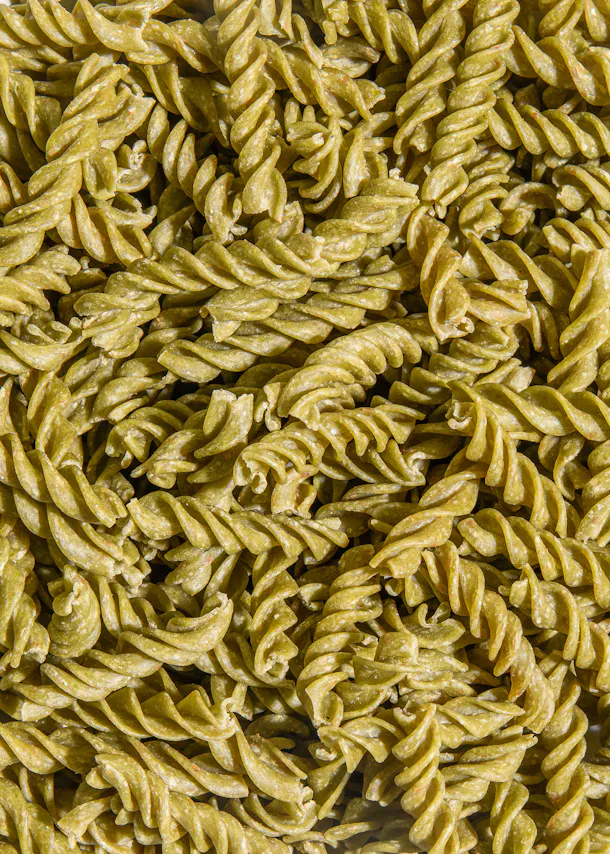
And if it’s pasta time again, our organic green pea fusilli brings the fibre straight to your fork. This is how you master your personal ‘Fibermaxxing’, whilst your taste buds are almost completely oblivious to the secret mission going on in the background.
Classic product | KoRo alternative | Alternative product fibre (per 100g) | How to use |
Wheat pasta | 22g | Great for pasta dishes, salads and casseroles. | |
Wheat flour | 33g | Delicious in cakes or pancakes, also good for thickening sauces. | |
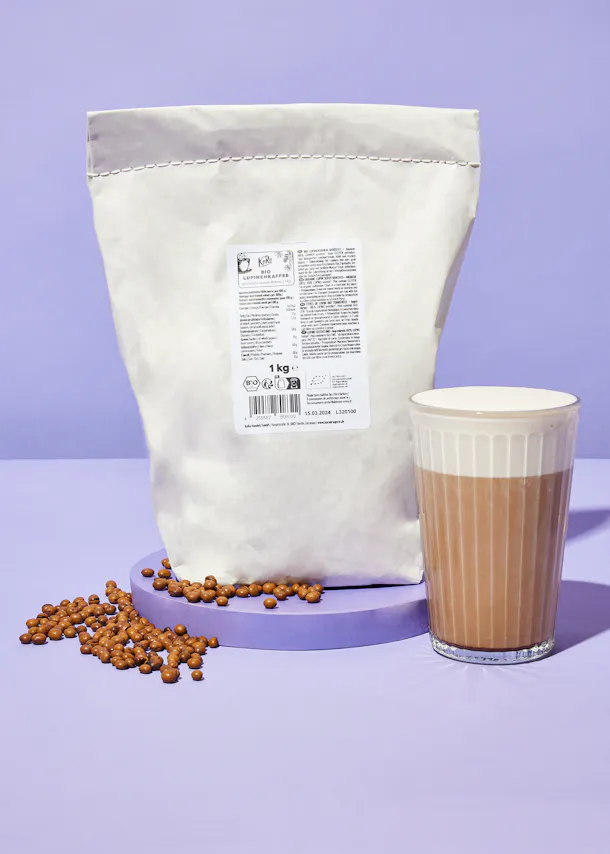
Coffee | 40g | Caffeine-free coffee alternative for your mornings. | |
Gelatine | 85g | Plant-based gelling agent for fruit spreads and desserts. |
Hack #3: Check your snacks!
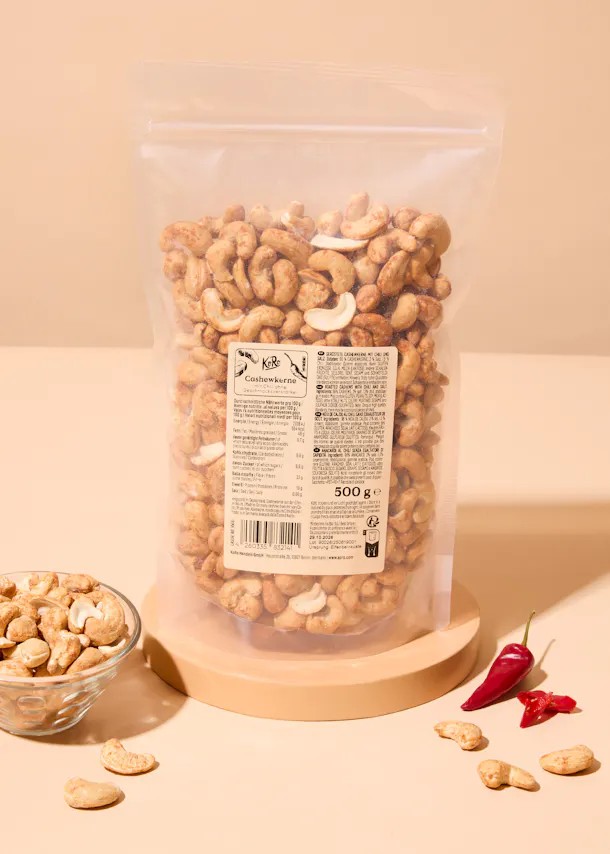
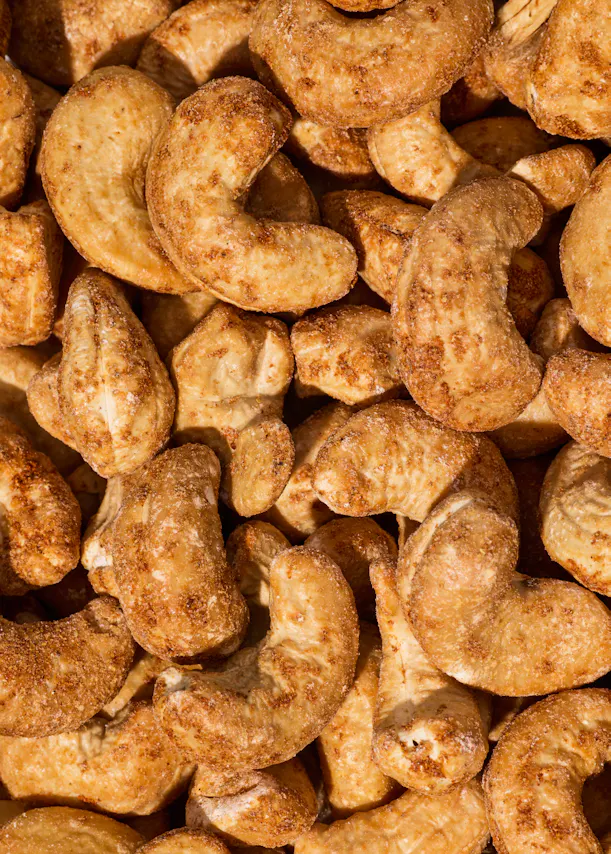
Every bite counts! And because we love small bites and snacks, we’ve got the perfect upgrades ready and waiting for you. It really couldn’t be simpler: just pop open a bag of our chilli-flavoured cashews, which combine a spicy flavour and delightful crunch with a decent amount of fibre.
Pro tip for parents: Freeze-dried fruits like our strawberries or wild blueberries are the ideal fibre-rich snack for children. They’re made from 100% fruit and are high in fibre, but they taste just like sweets. That makes snacking more fun than a fresh apple, which of course also provides fibre in theory. So your little ones can snack in style!
KoRo product | Fibre (per 100g) | How to use |
33g | Fruity topping for muesli, great snack. | |
24g | Great with desserts or by itself, as a snack. | |
22g | Crunchy and spicy snack. | |
20g | To upgrade muesli, breads and cakes. |
KoRo wrap-up: become a fibre hacker
As you can see, fibre-maxxing has absolutely nothing to do with deprivation or forcing yourself. It’s more about taking your existing routine to the next level with a few smart tweaks. Whether you start with a high-fibre breakfast or swap your pasta for pea noodles in the evening – every gram counts.
Want to get started with your upgrade straight away? Click through our category for high-fibre foods and find your favourites. The rest will then take care of itself – we deliver straight to your door in a value pack!